

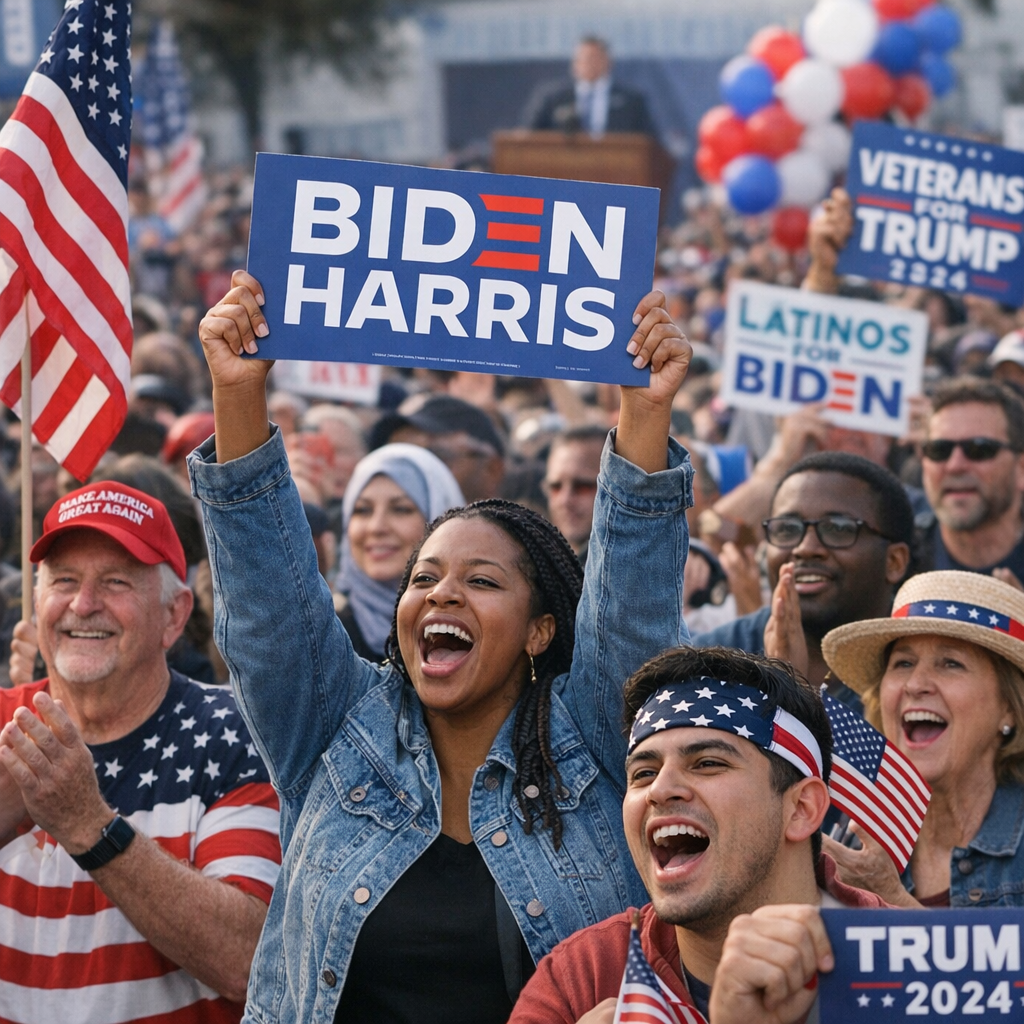
The United States operates under a two-party system, with the Democratic Party and the Republican Party being the primary political entities. These parties have historically dominated the political scene, influencing policies and governance at both federal and state levels.
Major Political Parties
Democratic Party
Founded in the early 19th century, the Democratic Party traditionally supports progressive policies, advocating for social welfare programs, environmental protection, and civil rights.
Republican Party
Established in the mid-19th century, the Republican Party often promotes conservative policies, emphasizing limited government intervention, free-market capitalism, and a strong national defense.
Third Parties and Political Movements
While the two major parties dominate, third parties occasionally emerge, focusing on specific issues or ideologies. These include the Libertarian Party, Green Party, and various independent movements. Although they rarely win major elections, they can influence national discourse and policy decisions.
Political Engagement and Civic Participation
American citizens engage in the political process through voting, activism, and public discourse. Participation varies across demographics and regions, reflecting the nation’s diverse population and interests.
Understanding the structure and dynamics of the U.S. political system is essential for informed civic engagement and appreciation of the nation’s democratic processes.