

Irving, Texas, experiences a humid subtropical climate, characterized by hot summers, mild winters, and moderate rainfall throughout the year. Understanding these patterns can help residents and newcomers adapt and make the most of the local environment.
Seasonal Weather Patterns
Spring (March to May)
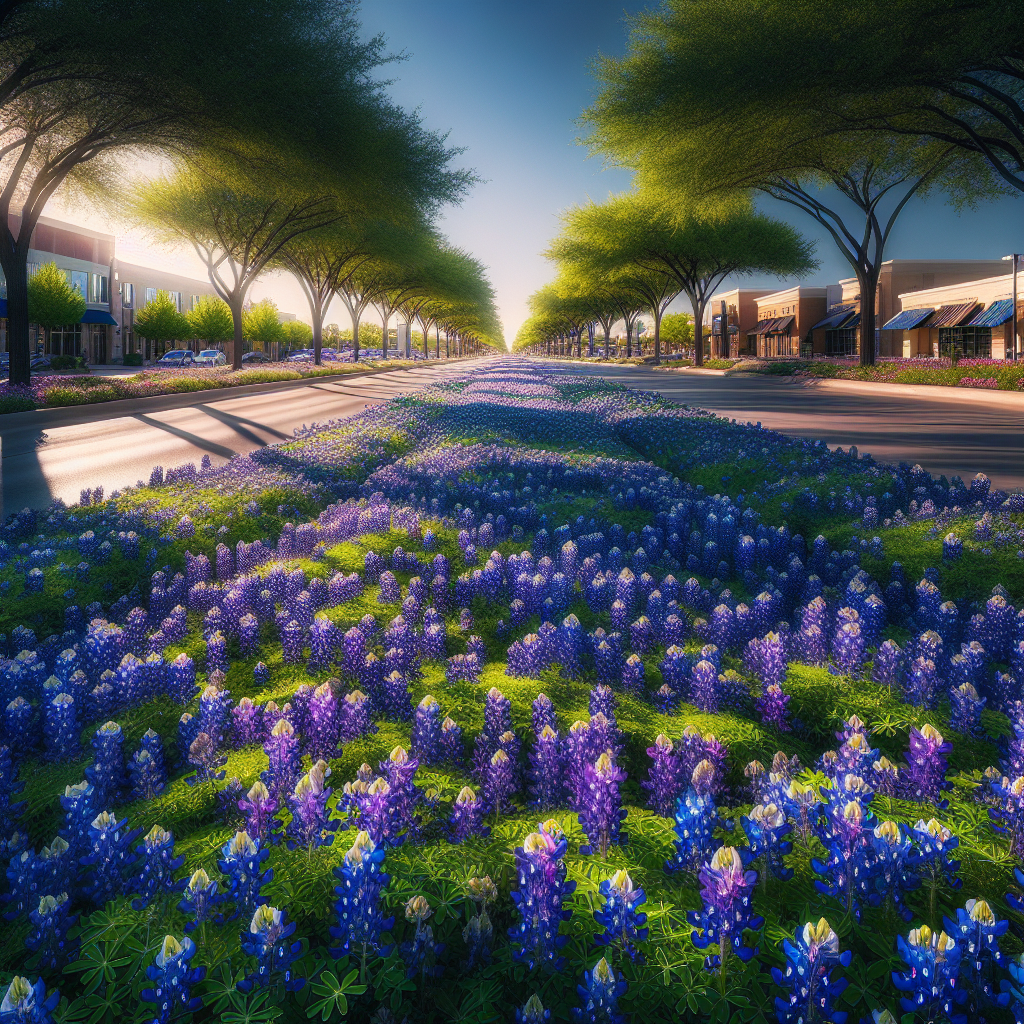
Spring in Irving brings pleasant temperatures, with average highs ranging from the mid-60s to mid-80s°F. This season also sees increased rainfall, averaging around 4.69 inches in May, contributing to the lush greenery and blooming wildflowers, including the iconic Texas bluebonnets. Popular spots to view these blooms include areas along Las Colinas Boulevard.
Summer (June to August)
Summers are hot and humid, with average high temperatures in the mid-90s°F. July and August are typically the warmest months, with highs averaging around 95°F. Residents should be prepared for heat waves, where temperatures can occasionally exceed 100°F.
Autumn (September to November)
Autumn offers a respite from the summer heat, with temperatures gradually cooling to comfortable levels. Average highs in October are around 79°F, making it an ideal time for outdoor activities. Rainfall during this season averages about 4.66 inches in October.
Winter (December to February)
Winters are generally mild, with average lows in the upper 30s°F. Snowfall is rare, averaging about 1 inch per year. However, occasional cold fronts can bring freezing temperatures, so it’s advisable to stay informed about weather forecasts during this period.
Environmental Considerations
Irving’s climate supports a diverse range of flora and fauna. The city is home to several parks and natural areas that showcase native plants and attract various wildlife species. For instance, the Butterfly Garden at Birds Fort Trail features native plants that support pollinators like monarch butterflies.
Residents are encouraged to engage in sustainable practices, such as planting native species in their gardens, to support local biodiversity and reduce water usage. Additionally, staying informed about weather patterns and preparing for seasonal changes can enhance the quality of life in Irving.
By understanding and adapting to Irving’s climate, residents can fully appreciate the unique environmental characteristics of the region.