

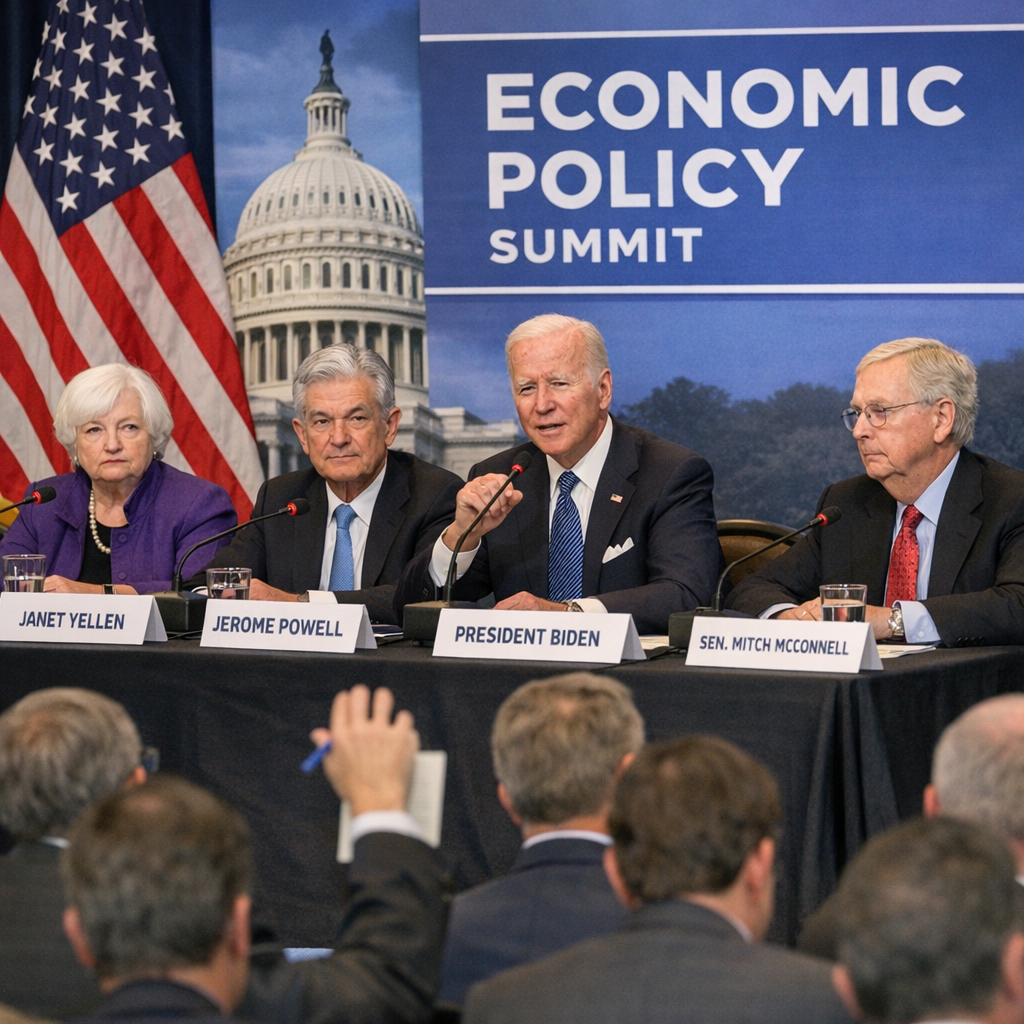
As we navigate the complexities of the current U.S. political and economic landscape, several key developments have emerged that warrant attention.
Political Developments
Recent reports indicate that the Department of Justice is investigating a nonprofit organization linked to billionaire Reid Hoffman. This nonprofit made contributions that were partially used for E. Jean Carroll’s legal expenses during her civil lawsuit against President Trump. The investigation raises concerns about potential patterns of retaliation against critics of the administration and tests the independence of DOJ officials.
In legislative news, Republican lawmakers have proposed introducing a $250 bill featuring President Trump’s image to commemorate the nation’s 250th anniversary. However, federal law currently prohibits living individuals from appearing on U.S. currency, presenting significant legal and legislative challenges to the proposal.
Economic Indicators
The U.S. economy has shown signs of both resilience and strain. While the economy expanded in the second quarter of 2025, growth was lower than anticipated. The labor market remains stagnant, and inflation, though below its peak, persists stubbornly. The Federal Reserve continues to monitor various economic indicators to inform decisions on interest rates and other monetary policies.
Additionally, the global energy crisis, exacerbated by the ongoing conflict in Iran, has led to a 50% increase in U.S. gasoline prices since the start of the war. This surge places additional financial pressure on consumers and businesses alike.
Looking Ahead
As the 2026 midterm elections approach, the political and economic climate remains dynamic. Key issues such as redistricting efforts, trade policies, and federal spending are likely to play significant roles in shaping the nation’s future direction. Staying informed and engaged will be crucial for all citizens as these developments unfold.