

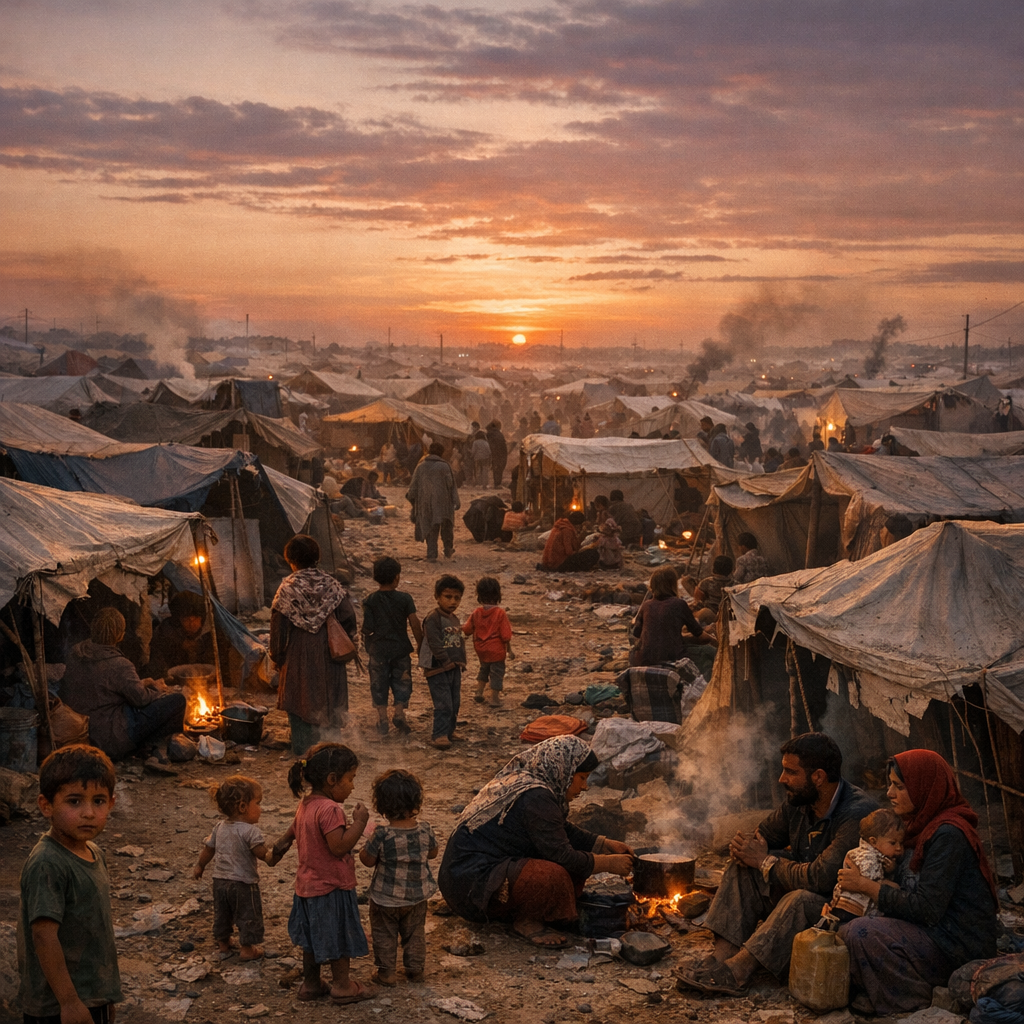
In recent years, the world has witnessed an alarming surge in forced displacement—due to war, persecution and violence. By the end of 2025, more than 117 million people across the globe were living as refugees, internally displaced persons, or under other forms of international protection. That equates to roughly one in every seventy people on the planet.
Main Drivers of the Crisis
The largest portion of displacement is caused by internal conflict rather than cross-border migration. Wars in countries like Sudan have forced over 9 million people to flee their homes within national borders, becoming one of the most severe internal crises globally.
Climate change also plays a growing role—floods, droughts and extreme weather worsen existing conflicts, disrupt food systems, and force people to move. While often less visible than war, the environmental drivers can be just as disruptive.
Challenges in Addressing Displacement
Humanitarian funding remains severely short of what’s needed. Many displaced communities do not receive enough support—for shelter, medical care, or long-term stability.
External dependency makes it hard for affected nations to plan long-term support. Countries with fewer resources struggle as global attention shifts and donor funds fluctuate.
Pathways Toward Solutions
International institutions are urging reform: Global health bodies and humanitarian agencies are emphasizing stronger public health infrastructure and more resilient systems of social care in displaced communities.
Regional cooperation and shared frameworks are also gaining attention. For example, many governments are working together through public health networks to build necessary core services and reduce reliance on emergency aid.
What Citizens Can Do
- Support relief agencies working in displacement zones—with donations, advocacy, or volunteering.
- Engage your representatives to ask for policies favoring humane treatment of refugees and stronger support for international aid initiatives.
- Stay informed through reputable sources to ensure you understand what’s happening and resist oversimplified or fear-based narratives.
Displacement on this scale is not new—but the global scale and intensity are now pushing us toward crisis levels. Building sustainable responses requires more than just short-term aid; it demands durable systems that protect human dignity under pressure.